


Why Choose Raw Honey Michigan Over Processed Honey

When you stand in front of a shelf of honey options, the choices can feel overwhelming. Clear golden bottles sit next to cloudy jars, and labels boast words like "pure," "natural," and "raw." If you are looking for the most authentic taste of raw honey Michigan, raw honey offers something that processed honey simply cannot match. Made without heat or filtration, raw honey captures the true character of the region's flowers and the careful work of local beekeepers. Choosing raw honey Michigan producers craft means opting for flavor, tradition, and support for local agriculture.
What Makes Raw Honey Michigan Different?
According to the National Honey Board, raw honey is honey that has not been heated or filtered. Hudsonville Honey, a Michigan producer, follows this definition for its raw honey line. In contrast, processed honey is typically pasteurized with high heat to kill yeast and filtered under pressure to remove pollen and other fine particles. That processing extends shelf life and creates a clear, uniform liquid, but it also strips away many of the natural components that give honey its unique taste and texture. Raw honey keeps the pollen, propolis, and enzymes that are lost during processing. The result is a product that tastes like the land it came from.
The Flavor of Real Michigan Honey
Michigan's diverse landscapes give raw honey a range of flavors you will not find in a mass‑produced blend. The bees visit different flowers depending on the season and location, and each floral source leaves its mark on the honey. For example, Michigan Bee Co. sources its raw honey from Basswood, Star Thistle, Purple Cone Flower, and Golden Rod. Bee Wise Farms offers RAW Wildflower Honey that features flavors from Michigan's native flowering plants, with touches of lavender appearing in fall blends. Friske Farm Market harvests its Pure Michigan Honey from fruit orchards in Northern Michigan, giving it a subtle fruit‑blossom note. These distinct profiles make raw honey an experience, not just a sweetener.
Raw Honey Comes in Many Forms
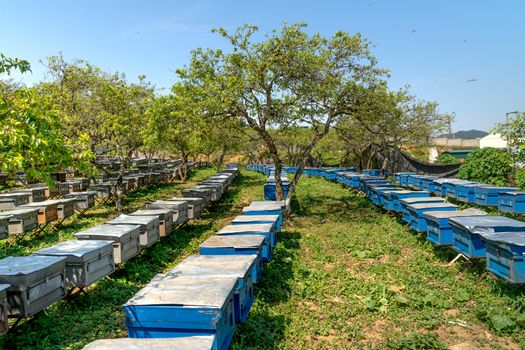
One of the pleasures of raw honey is the variety of textures you can choose from. Some people love the convenience of liquid honey, while others enjoy chewing on honeycomb. Michigan producers offer several forms, so you can pick the one that fits your kitchen and your taste.
Producer |
Forms Available |
Price Range (per ounce) |
|---|---|---|
Hudsonville Honey |
Liquid, comb, chunk honey |
$0.38 – $0.94 |
Sister Bees |
Liquid, creamed (gift sets) |
$0.75 – $2.00 |
Michigan Bee Co. |
Liquid (2‑lb jars) |
$0.63 |
Firebolt Farms |
Raw unfiltered liquid (quart, pint) |
Not specified |
Bee Wise Farms |
Liquid wildflower honey (16 oz) |
Not specified |
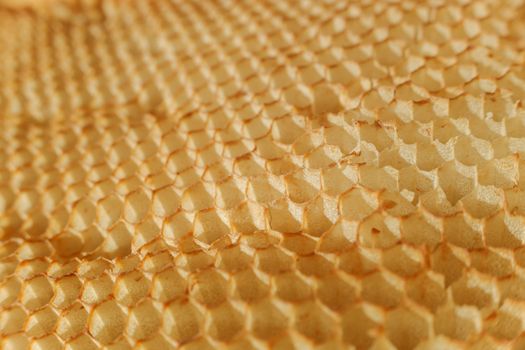
Comb honey and chunk honey include pieces of the beeswax comb, giving you a chewy, sweet treat. Creamed honey is whipped into a spreadable consistency. Liquid raw honey is the most common and works well in tea, on toast, or in recipes. Each form keeps the natural goodness of raw honey intact.
Supporting Local Michigan Beekeepers
When you buy raw honey from a Michigan producer, your money stays close to home and helps sustain the state's beekeeping community. Organizations like the Michigan Beekeepers Association maintain a Local Honey Locator list that helps you find honey producers by county. Many of these beekeepers run small, family‑owned operations. Sister Bees is located at 115 S. James in Ludington and is open Monday through Saturday from 10:00 to 5:00. Friske Farm Market sits at 10743 US Highway 31 in Ellsworth. Firebolt Farms operates in Lowell, and Mike's Apiaries is a family‑run business that specializes in 100% pure Michigan honey. By choosing their raw honey, you are supporting real people who care for their bees and their land.
Understanding the Price of Raw Honey
Raw honey often costs more than processed honey, but the price reflects the extra care in production and the limited supply. Here is a look at what you can expect to pay for raw honey from Michigan producers, based on available prices:
Sister Bees: 16 oz for $12.00 (about $0.75 per ounce), 8 oz for $7.00 ($0.88 per ounce), 2 oz bear for $4.00 ($2.00 per ounce).
Hudsonville Honey: Premium Raw Michigan Wildflower Honey in a Glass Queenline Jar ranges from $6.00 to $15.00 for a 1‑lb jar (about $0.38 to $0.94 per ounce). A 3‑pack costs $17.00 to $42.00.
Friske Farm Market: Pure Michigan Honey for $10.99 per pound (about $0.69 per ounce).
Michigan Bee Co.: Two 1‑lb jars for $20.00 (about $0.63 per ounce).
While the per‑ounce cost is higher than typical supermarket processed honey, you are paying for genuine, unaltered honey that has not been cut with cheaper syrups or stripped of its natural character. Many people find the flavor difference well worth the extra cost.
How to Use and Store Raw Honey
Raw honey behaves differently than processed honey because it still contains natural particles and enzymes. Over time, raw honey may crystallize and become thick or grainy. Firebolt Farms notes on its website that raw honey may crystallize, and that is completely normal. Crystallization does not mean the honey has spoiled. To return it to a liquid state, place the jar in a bowl of warm water (not boiling) and stir gently. Avoid using a microwave, which can destroy the beneficial enzymes.
Use raw honey just as you would any honey. Drizzle it over pancakes or yogurt, stir it into oatmeal, use it in salad dressings, or enjoy a spoonful straight from the jar. Because it has not been filtered, you may notice bits of wax or pollen, which are signs of authenticity. Store raw honey in a cool, dark place with the lid tightly closed to keep moisture out. Properly stored raw honey can last indefinitely, even if it crystallizes.
Frequently Asked Questions
Will raw Michigan honey crystallize?
Yes, raw honey often crystallizes over time because it has not been heat‑processed to remove pollen and fine particles. Crystallization is a natural process and does not affect the quality or safety of the honey. To soften it, place the jar in warm water, or simply stir the crystallized honey into warm drinks or recipes.
Where can I find raw honey Michigan producers near me?
The Michigan Beekeepers Association offers a Local Honey Locator list on its website that groups producers by county. You can also visit farm markets like Friske Farm Market in Ellsworth or Sister Bees in Ludington. Many small beekeepers sell directly from their farms or at local farmers markets. Check online for the most up‑to‑date listings.
Can I use raw honey in hot tea or baking?
Yes, you can use raw honey in hot tea, baking, and cooking. The heat may reduce some of the beneficial enzymes, but the honey still contributes its unique flavor. Avoid adding raw honey to boiling water; let your tea cool slightly first. In baking, raw honey works well in recipes that call for liquid sweeteners, though you may need to adjust liquid ratios.
How can I tell if honey is truly raw?
Look for the word "raw" on the label and check that it does not say "pasteurized" or "filtered." Raw honey often appears cloudy and may contain small particles of wax or pollen. If the label states it is "100% pure" but does not mention raw, it may still have been heat‑processed. When in doubt, contact the producer directly. Michigan beekeepers are usually happy to share their methods.
Choosing raw honey from Michigan producers gives you a product that is as close to the hive as possible. The unheated, unfiltered honey retains the delicate flavors of local wildflowers, fruit blossoms, and native plants that processed honey cannot capture. Whether you prefer liquid, comb, or creamed honey, you are getting a single‑ingredient food made by beekeepers who take pride in their craft. Next time you reach for a sweetener, consider the raw honey that Michigan's beekeepers have to offer.