


How Michigan Honey Bees Produce the Best Raw Honey

Michigan honey carries a flavor that reflects the state’s rich agricultural landscape and diverse wildflowers. From the apple orchards of the Lower Peninsula to the clover fields of the north, honey bees transform local nectar into a product that is as unique as the region itself. Understanding how these bees work and what makes Michigan an ideal home for them helps explain why the honey produced here stands out.
The Honey Bee: A Managed Pollinator in Michigan
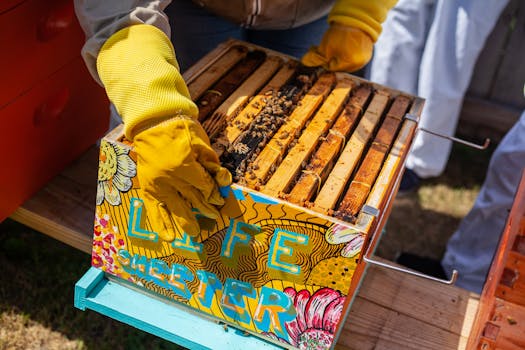
The honey bee you see buzzing around Michigan gardens is not a native insect. Apis mellifera originated in Europe and was brought to North America by early settlers. Today, honey bees are the primary managed pollinator across the state, kept by beekeepers in apiaries large and small. These bees live in structured colonies with a single queen, thousands of worker females, and a few hundred drones during summer. Their social organization and industrious nature make them excellent honey producers.
Michigan beekeepers rely on a steady supply of healthy bees to start or replenish their hives. One of the major suppliers serving the region is Mountain Sweet Honey Company, which ships package bees from mid-March to May. Their bees are raised in Georgia using organic management practices, then transported to Michigan. The Great Lakes Bee Company, located at 5973 S. Warner Avenue in Fremont, Michigan, is another resource for beekeeping supplies and bees.
From Nectar to Honey: The Making Process
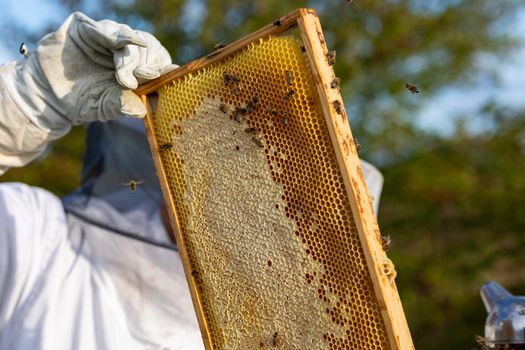
Honey production begins when worker bees visit flowers to collect nectar. A honey bee uses its long, tube-shaped tongue to suck nectar from blossoms and stores it in a special organ called the honey stomach. Back at the hive, the bee regurgitates the nectar into the mouth of another worker or directly into a honeycomb cell. This process breaks down the complex sugars into simpler ones.
The bees then fan their wings to evaporate water from the nectar, which thickens it into honey. When the moisture content drops to about 17–18 percent, the bees seal the cell with a wax cap. That honey can be stored indefinitely, providing food for the colony through winter. Beekeepers take only the surplus honey, leaving enough to sustain the hive.
Michigan’s Floral Sources
Michigan offers a long and varied foraging season. Spring brings blossoms from apple trees, black cherry trees, and dandelions. Summer follows with clover, alfalfa, basswood, and wildflowers. Each flower contributes a distinct flavor and color to the honey. Black cherry blossoms are especially important: a 2022 study found that mining bees carry 18 times more black cherry pollen than other typical visitors, but honey bees also work those blooms and help produce honey with a deep, fruity character. Apple blossoms also contribute to early-season honey, though honey bees are not the most efficient pollinators for apples, mining bees deposit about 2.5 times more apple pollen per flower visit, according to a 2016 study. Still, honey bees play a key role in both pollination and honey production across Michigan orchards.
Managed (Michigan) Honey Bees vs. Native Bees
Michigan is home to hundreds of native bee species, including bumble bees, sweat bees, mason bees, leaf-cutter bees, carpenter bees, mining bees, and squash bees. These insects are vital pollinators for many crops and wild plants. However, only honey bees produce enough honey for humans to harvest. Bumble bees, for example, live in social hives with queens and workers but make only small amounts of honey to feed their colony through short periods of bad weather. Mining bees nest in the ground and are solitary; they do not produce honey at all. The eastern cucurbit bee almost exclusively visits squash and pumpkin flowers, but it also doesn’t make honey.
Four species of metallic copper-green bees in the genera Augochlorella and Augochlora appear in Michigan during spring and summer. They nest in logs or in the ground and are beautiful to see, but they are not honey producers. The distinction is important: honey bees are the only bees that store surplus honey in wax combs, making them the primary source for the honey you buy.
Supporting Beekeeping in Michigan
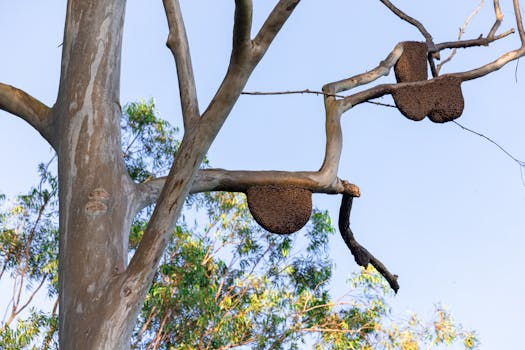
The Michigan Beekeepers Association (MBA) is the oldest continuously operating agricultural organization in Michigan and one of the oldest beekeeping clubs in the country. The MBA connects hobbyists and commercial beekeepers, offers educational resources, and advocates for bee health. If you encounter a swarm of honey bees that needs relocating, you can call the Michigan Bee Swarm Removal hotline at 1-888-819-5779. The hotline helps homeowners and businesses find local beekeepers who will carefully remove the swarm and give it a new home.
What Makes These Michigan Honey Bees So Special
The best Michigan honey comes from bees that forage on a mix of nectar sources unique to the region. Northern Michigan’s cooler nights and abundant rain help flowers produce nectar that is rich in flavor compounds. The honey often has a lighter color and milder taste in early summer, then deepens to amber and becomes more robust as goldenrod and aster bloom in late summer and fall. Beekeepers who practice small-batch, single-ingredient methods, like those at family-run farms, produce honey that tastes exactly like the landscape it came from. No additives, no blending, just pure honey from Michigan flowers.
When you buy from a local source like Bonz Beach Farms, you are getting honey that was harvested, strained, and bottled within the same region. That direct connection between hive and jar preserves the subtle notes of clover, basswood, or wildflower that make each batch a reflection of its season and location.
How to Enjoy and Store Michigan Honey
Raw, unprocessed honey contains traces of pollen and beneficial enzymes. To keep its qualities, store honey in a sealed container at room temperature away from direct sunlight. If it crystallizes, place the jar in warm water (not boiling) and stir gently to return it to liquid. Crystallization is a natural sign of pure honey, it has not gone bad. Use Michigan honey on pancakes, in tea, over yogurt, or straight from a spoon. Its flavor is a reminder of the bees and the blossoms that made it possible.
Frequently Asked Questions
What makes Michigan honey different from honey from other states?
Michigan honey reflects the state’s diverse flora, including apple blossoms, black cherry, clover, basswood, and late-season goldenrod. The cool nights and ample rainfall in regions like northern Michigan help flowers produce nectar with unique flavor profiles. Each batch tastes slightly different depending on the season and location.
Do any native Michigan bees produce honey?
No. Native bees such as bumble bees, mining bees, and sweat bees do not produce honey in harvestable amounts. Only honey bees (Apis mellifera), which are not native to North America, store large quantities of surplus honey in wax combs. Michigan’s native bees are excellent pollinators but not honey producers.
How can I start beekeeping in Michigan?
Begin by contacting the Michigan Beekeepers Association for educational materials and local clubs. You will need a hive, protective gear, and a source of bees. Package bees are available from suppliers like Mountain Sweet Honey Company, which ships to Michigan from March to May. Many local apiaries also offer starter hives.
Where can I find locally produced Michigan honey?
Look for honey at farm markets, roadside stands, and online from Michigan family farms. Country stores that carry single-ingredient, small-batch products often stock honey from nearby beekeepers. You can also search for honey labeled with the farm’s name or region to ensure it is truly local.
Whether you drizzle it on fresh fruit or stir it into hot tea, Michigan honey is a taste of the state’s natural abundance. The honey bees that work across our orchards and meadows create something special, and supporting local beekeepers ensures that tradition continues for years to come.