


The Importance of Honey Bees in Michigan Agriculture

Michigan agriculture relies on pollinators, and honey bees are among the most important. They help pollinate fruit trees, vegetable crops, and berry plants across the state. Although honey bees are not native to North America, they have become the most widely managed pollinator in Michigan.
Farmers and beekeepers work together to keep honey bee colonies healthy and productive. Michigan also offers many resources for people who want to keep bees or buy local honey.
How Honey Bees Support Michigan Crops
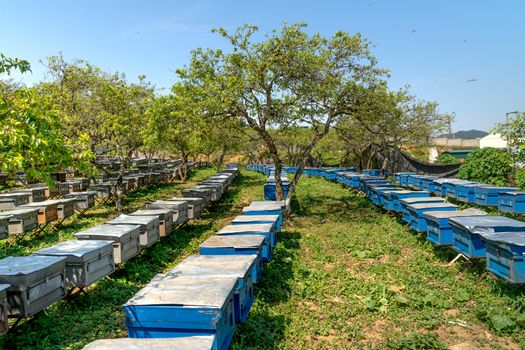
Honey bees (Apis mellifera) are the primary managed pollinator in Michigan. According to Michigan State University Extension, these bees play a major role in crop production. Beekeepers often place hives near apple orchards, cherry trees, blueberry fields, and cucumber crops. As bees gather nectar, they move pollen from flower to flower.
This pollination process helps plants produce fruit and seeds. It can improve crop yields and increase the quality of harvested produce. Without honey bees, many of Michigan's most valuable crops would produce fewer marketable fruits and vegetables.
Home gardens benefit as well. Honey bees can travel several miles from their hive while searching for nectar and pollen. As they forage, they help pollinate flowers, vegetables, and fruit plants throughout the area.
Honey bees in Michigan are not native to the state or to North America. Early European settlers brought them to the continent hundreds of years ago. Since then, they have become a key part of modern agriculture.
One reason honey bees are so valuable is that they live in large colonies that can be managed by beekeepers. Hives can be moved to farms and orchards when pollination is needed most. This makes honey bees especially useful during the short spring bloom season, when crops have a limited window for pollination.
Michigan's Rich Diversity of Native Bees
Honey bees may get most of the attention, but they are only one part of Michigan's pollinator community. According to Michigan State University Extension and the Xerces Society, Michigan is home to more than 400 species of bees. Many of these native bees do not live in hives and are not managed by beekeepers.
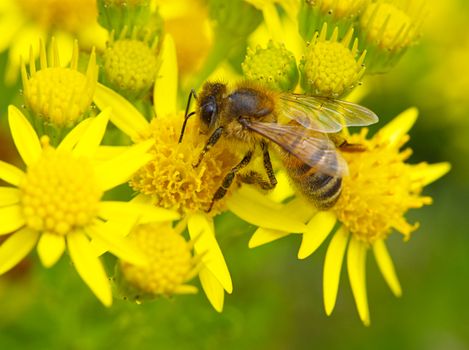
Native bee species include bumble bees, sweat bees, mason bees, leafcutter bees, and carpenter bees. Each species plays a unique role in pollination. Some native bees visit flowers that honey bees rarely use. Others are active during cooler or wetter weather, helping plants get pollinated when honey bees are less active.
These wild pollinators support both agriculture and natural ecosystems. In some cases, native bees can be more effective pollinators than honey bees because they are well adapted to Michigan's climate and native plants.
Honey bees in Michigan remain important for large-scale crop production. However, healthy populations of native bees help create a stronger and more reliable pollination system. When both managed and wild pollinators are present, farmers have a better chance of achieving consistent crop yields.
Growers can support native bees in several ways. Michigan State University Extension and the USDA recommend planting native wildflowers, reducing unnecessary pesticide use, and protecting natural nesting areas. Leaving patches of bare soil can also help ground-nesting bee species thrive.
By supporting both honey bees and native bees, Michigan farmers can build a more resilient pollinator network. This partnership helps protect crops during the critical spring and summer growing seasons while also supporting the state's long-term environmental health.
Networks and Beekeeping Resources in Michigan
The Michigan Beekeepers Association
The Michigan Beekeepers Association holds a special place in state history. It is recognized as the oldest continuously operating agricultural organization in Michigan and one of the oldest beekeeping clubs in the country. Its website, michiganbees.org, serves as a central hub for beekeepers of all experience levels. The association offers education, mentorship, and annual meetings where both hobbyists and commercial beekeepers share knowledge about hive management, disease prevention, and honey production.
Finding Locally Raised Bees and Queens
For beekeepers looking to start a new colony or requeen an existing one, the Northern Bee Network is an online directory of individuals selling honey bee queens and nucs in Michigan. This resource makes it easier to find bees that have been raised in the local climate. Purchasing locally raised stock can help colonies adapt to Michigan’s cold winters and variable spring weather.
Commercial Suppliers in Michigan
Several businesses in Michigan provide honey bees, queens, and beekeeping supplies. The Great Lakes Bee Company, located in Fremont, Michigan, sells Michigan honey products, beeswax and candles, honey bees, and bee-themed merchandise (sometimes called bee swag). Another major supplier is Mountain Sweet Honey Company, which claims to be the number one shipper of Italian bee packages in the Midwest and on the East Coast. That company ships package bees from mid-March to May from Georgia into Michigan, offering a reliable source for beekeepers who cannot raise their own nucs.

Getting Started with Beekeeping in Michigan
If you are interested in keeping honey bees in Michigan, start by learning the basics of hive management. The Michigan Beekeepers Association, Michigan State University Extension, and local beekeeping clubs offer educational resources for beginners. Reading guides, attending meetings, and talking with experienced beekeepers can help you avoid common mistakes.
Once you understand the fundamentals, it is time to acquire bees. One popular option is a package of bees. A package typically includes a queen and several thousand worker bees. Many Michigan beekeepers order package bees in late winter for spring delivery. Suppliers such as Mountain Sweet Honey Company ship package bees from mid-March through May.
Another option is to purchase a nucleus colony, often called a nuc. A nuc contains an established queen, worker bees, brood, and stored food. Because the colony is already functioning, nucs often grow faster than package bees during their first season. The Northern Bee Network maintains a directory of Michigan beekeepers who sell nucs and locally raised queens.
New beekeepers will also need basic equipment. This usually includes a hive, protective clothing, gloves, a veil, and a smoker. Many local suppliers carry these items. The Great Lakes Bee Company also offers bees, beekeeping supplies, and educational resources for Michigan beekeepers.
Michigan winters can be challenging for honey bee colonies. Cold temperatures, wind, and limited food supplies can put stress on a hive. To improve winter survival, beekeepers often wrap their hives, provide wind protection, and make sure colonies have enough stored honey. The Michigan Beekeepers Association and Michigan State University Extension both provide seasonal guidance on winter hive management and colony health.
Frequently Asked Questions About Honey Bees In Michigan
Are honey bees native to Michigan?
No, honey bees are not native to North America. They were brought from Europe by early colonists. Michigan has more than 400 species of native bees, but honey bees are a managed, non-native pollinator that has become essential to agriculture.
Where can I buy honey bees in Michigan?
You can find honey bees through local beekeepers listed on the Northern Bee Network, or from commercial suppliers such as Mountain Sweet Honey Company, which ships package bees from Georgia to Michigan from mid-March to May. The Great Lakes Bee Company in Fremont, Michigan, also sells honey bees and nucs.
What is the oldest beekeeping organization in Michigan?
The Michigan Beekeepers Association is the oldest continuously operating agricultural organization in Michigan and one of the oldest beekeeping clubs in the country. It provides education, resources, and community for beekeepers of all levels.
How many bee species live in Michigan?
Michigan is home to more than 400 different species of bees, including the honey bee, bumble bees, sweat bees, leaf-cutter bees, mason bees, and carpenter bees. Each species contributes to pollination in different ways.
Can I buy local Michigan honey directly from a farm?
Yes, many Michigan farms and beekeepers sell local honey. The Great Lakes Bee Company in Fremont sells Michigan honey products, and the Michigan Beekeepers Association website can help you find honey producers near you. Local honey is also available at farmers markets and farm stands across the state.