


Pure Michigan Maple Syrup: Farm Fresh Syrup Production

Pure Michigan maple syrup brings a taste of the north woods to breakfast tables across the country. Michigan’s cold winters and warm spring days create the ideal conditions for sap flow, and for generations, family farms have turned that sap into golden, amber, and dark syrups. The process is simple in concept, tap a tree, collect the sap, boil it down, but the care and timing make all the difference.
A Short History of Maple Syrup in Michigan
Maple syrup production has deep roots in the Great Lakes region. Native American tribes first tapped sugar maples, and European settlers carried on the tradition. Today, the Michigan Maple Syrup Association (MMSA) represents more than 150 members who collectively manage over 150,000 taps and produce more than 50,000 gallons of syrup each year. That scale shows how important maple syrup remains to the state’s agricultural identity.
One longtime producer, Doodle's Sugarbush, has been crafting 100 percent pure Michigan maple syrup since 1998. Farms like Doodle's still use many of the same methods their ancestors did, though modern equipment makes the work safer and more efficient.
When the Sap Starts to Flow
The maple season begins in late winter, usually around late February or early March, when nighttime temperatures still drop below freezing and daytime temperatures climb above freezing. This freeze-thaw cycle creates pressure inside the maple tree, pushing sap up from the roots. On the flip side, the same pressure pulls fresh sap into the tree when temperatures warm. Tapping into that flow requires careful timing. If the tap goes in too early, the hole may dry up before the best sap runs. If too late, syrup makers risk missing the heart of the season.
In Michigan, the season can last four to six weeks, depending on the weather. A sudden warm spell can end the run quickly, so producers stay on alert. The MMSA posts seasonal updates and even holds events like Maple Weekend (various dates in March-April 2025) to let visitors see the process firsthand.
Tapping the Trees
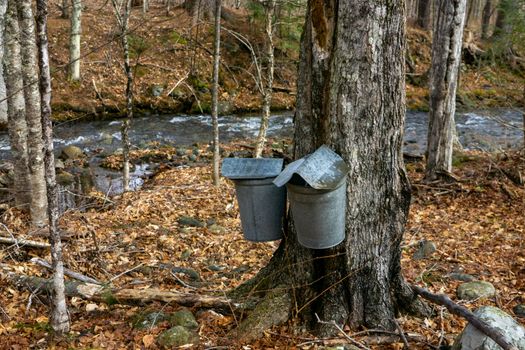
Tapping begins with drilling a small hole about two inches deep into the maple tree’s trunk. Producers insert a spout, or spile, and hang a bucket or attach a tube that runs to a collection tank. The sap that drips out looks almost like water, clear, thin, and only about 2 percent sugar. It takes roughly 40 gallons of sap to make one gallon of pure maple syrup. That ratio explains why pure syrup commands a higher price than flavored pancake toppings.
Michigan maple farms take sustainability seriously. They never tap a tree that is too young or too small, and they rotate tapping zones to keep trees healthy. The MMSA also established an Ice Storm Relief Fund to help producers recover from the 2025 ice storm, with support from Iron Fish Distillery and Grand Traverse Pie Company. That community spirit reflects the close ties among Michigan syrup makers.
Boiling Down the Sap
Once collected, the sap must be boiled quickly to prevent spoilage. Producers pour the sap into large evaporator pans set over a wood-fired or oil-fired arch. As the water steams away, the sugar concentration rises. The boiling process requires constant attention. If the syrup gets too hot, it can caramelize and develop off-flavors. If not hot enough, it stays thin and may ferment.
Many Michigan farms still use wood from their own forests to fire the evaporators, adding a subtle smokiness to the final product. Others use oil or propane for more consistent heat, but all aim for the same goal: a pure, single-ingredient syrup with no additives. Michigan Maple Farms, for instance, offers USDA Certified Organic Maple Syrup that is all natural and sustainably harvested, with no high fructose corn syrup.
Grading and Bottling
Fresh syrup is filtered to remove sugar sand, a harmless mineral sediment, and then graded by color and flavor. The grade system includes Golden (delicate taste), Amber (rich taste), Dark (robust taste), and Very Dark (strong taste). Lighter syrups are usually made earlier in the season and have a milder flavor, while darker syrups come from later runs and pack a bolder maple punch.
Bottling happens immediately after grading to lock in freshness. Michigan producers package syrup in everything from small glass leaves to one-gallon plastic jugs. Friske's Pure Michigan Maple Syrup, for example, is available in sizes starting at a 3.4-ounce leaf bottle for gift giving, up to a quart plastic jug for everyday use. All Friske's syrup is organic, non-GMO, vegan, and gluten-friendly, containing 100 percent pure organic maple syrup.
Michigan Producers and Their Offerings
Producer |
Location / Notes |
Size Examples |
Price Range |
|---|---|---|---|
Michigan Maple Farms |
USDA Certified Organic, free shipping over $100, sustainably harvested |
Various plastic jugs and glass bottles |
Check website for current pricing |
Friske’s Farm Market |
Ellsworth, MI 49729; summer hours Mon-Thu 9–7, Fri-Sat 9–8 |
3.4 oz Leaf, 8.45 oz Leaf, 8 oz Glass, 16 oz Glass, Half Pint, Quart, Pint, 4 oz Glass |
Starting at $12.99 |
Doodle's Sugarbush |
Crafting pure Michigan maple syrup since 1998 |
Multiple sizes available online |
Contact farm for price list |
Kasza Sugar Bush |
Western Michigan sap, plastic jugs and glass jars |
Range from small to gallon |
$3.58 to $64.99 |
Michigan Maple Syrup Association |
Over 150 members, 150,000+ taps, 50,000+ gallons per year |
Member farms across the state |
Varies by producer |
This table shows just a sample of what is available. Many small farms sell directly from their sugarhouses, at farmers markets, or through online stores. Prices vary by size, container, and whether the syrup is certified organic.
Where to Find Pure Michigan Maple Syrup
Consumers can buy pure Michigan maple syrup in several ways. Local farm markets like Friske Farm Market (10743 US Highway 31, Ellsworth, MI 49729) stock their own brand alongside other regional goods. Many farms offer online ordering with home delivery. Michigan Maple Farms provides free shipping on all orders over $100, making it easy to stock up.
The MMSA also hosts a Fall Tour (2026 in Eastern Upper Peninsula) and a Winter Meeting (January 16-17 in Mt. Pleasant) that give visitors a chance to tour sugarhouses and meet syrup makers. Maple Weekend, held on various dates in March-April 2025, is another excellent opportunity to see the process from tree to bottle.
For wholesale buyers, restaurants, coffee shops, and gift shops, Michigan farms like Bonz Beach Farms and others in the association offer bulk options. The state’s maple syrup is a natural fit for everything from breakfast menus to craft cocktails and barbecue glazes.
Frequently Asked Questions
Is all Michigan maple syrup organic?
No. Only producers who are certified organic can label their syrup as such. Michigan Maple Farms and Friske's offer organic options, but many small farms use conventional methods. Always check the label if organic certification matters to you.
What is the best grade of Michigan maple syrup?
There is no single best grade; it depends on your taste. Golden syrup has a delicate, buttery flavor ideal for pancakes and ice cream. Dark and Very Dark syrups have a stronger maple taste that works well in baking and glazes. Try a few grades to find your favorite.
How long does pure maple syrup last once opened?
Store opened syrup in the refrigerator to prevent mold. It will keep for several months to a year. If mold develops, you can skim it off and boil the syrup again, but it is safer to buy fresh syrup in quantities you will use within a season.
Can I visit a Michigan maple syrup farm?
Yes. Many farms welcome visitors, especially during Maple Weekend in March-April. You can watch sap boiling, taste samples, and buy syrup directly. Check the MMSA website for a list of participating farms and open house dates.
What is the price range for pure Michigan maple syrup?
Prices vary by producer, size, and container type. Kasza Sugar Bush offers products from $3.58 to $64.99, while Friske's syrup starts at $12.99. Larger jugs and glass gifts cost more. Organic and premium grades also command higher prices.