


Pure Maple Syrup Michigan vs. Imitation Syrup: What Makes Michigan Maple Syrup Special

Pure Maple Syrup vs. Imitation Syrup: What's the Difference?
When you shop for syrup, you will often see two choices: pure maple syrup and imitation syrup. While they may look similar on the shelf, they are made in very different ways.
Pure maple syrup comes from the sap of maple trees. Imitation syrup is usually made from corn syrup, sweeteners, and artificial flavors. If you want real maple flavor and a product that comes straight from nature, it is important to know the difference.
Michigan is home to many maple syrup farms that produce high-quality pure maple syrup each year. For families who value local food and simple ingredients, pure maple syrup is often the preferred choice.
What Is Pure Maple Syrup?
Pure maple syrup has just one ingredient: maple sap.
Each spring, maple farmers tap maple trees and collect the sap. The sap is then boiled to remove most of the water. What remains is pure maple syrup with its rich color and sweet flavor.
No artificial flavors are added. No preservatives are needed. No high fructose corn syrup is used.
Many Michigan farms still make pure maple syrup using traditional methods. Some also produce certified organic maple syrup. Farms across the state collect sap from their own woodlots and turn it into syrup right on the farm.
The state has a strong maple industry. The Michigan Maple Syrup Association includes more than 150 members and represents thousands of maple trees used for syrup production each year.
Because it contains only one ingredient, pure maple syrup offers a simple and natural way to sweeten foods and drinks.
What Is Imitation Syrup?
Imitation syrup is very different.
Most imitation syrups are not made from maple sap. Instead, they are made from ingredients such as corn syrup, high fructose corn syrup, water, flavorings, and color additives.
Manufacturers add maple flavor to create a taste that resembles real maple syrup. Some products also contain thickeners and preservatives.
These syrups cost less to produce and often stay on store shelves longer. However, they do not provide the same natural flavor found in pure maple syrup.
While imitation syrup remains a popular option, many people prefer pure maple syrup because it comes directly from maple trees and contains no artificial ingredients.
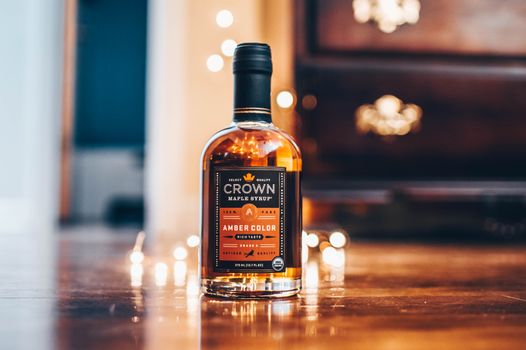
Key Differences Between Pure and Imitation Syrup
The table below summarizes the main contrasts between pure maple syrup and imitation syrups. These differences affect everything from taste to how the syrup is produced.
Aspect |
Pure Maple Syrup |
Imitation Syrup |
|---|---|---|
Main ingredient |
100% maple sap (single ingredient) |
Corn syrup, high fructose corn syrup, water |
Flavor source |
Naturally from the sap (caramelized during boiling) |
Artificial maple flavoring |
Production method |
Tapping trees, boiling sap (no additives) |
Laboratory blending of sweeteners and chemicals |
Nutrition |
Contains trace minerals like manganese and zinc (naturally present) |
Primarily added sugars, no natural minerals |
Shelf life |
Requires refrigeration after opening; lasts months |
Long shelf life at room temperature due to preservatives |
Regional connection |
Tied to maple-growing regions like Michigan |
Mass-produced anywhere, no regional identity |
These differences highlight why many people prefer pure maple syrup for cooking, baking, and everyday breakfasts. The natural complexity of pure maple syrup can elevate dishes in a way that imitation syrup cannot.
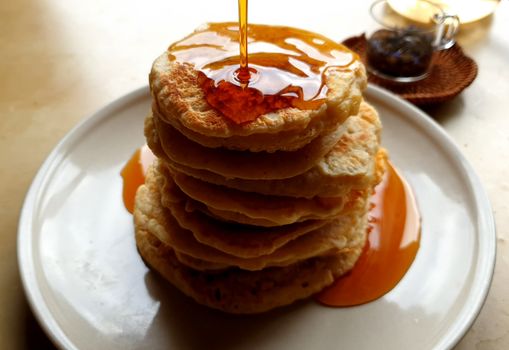
Why Choose Michigan Pure Maple Syrup?
Michigan has a strong maple syrup tradition. The Michigan Maple Syrup Association oversees a network of producers who are committed to quality and transparency. In 2025, after an ice storm damaged many maple trees, the MMSA established an Ice Storm Relief Fund, supported by Iron Fish Distillery and Grand Traverse Pie Company. This shows the resilience of Michigan's maple community. Producers like Doodle's Sugarbush offer small-batch handcrafted pure Michigan maple syrup, maple candy, and gourmet gifts shipped nationwide. Droscha Farms also provides pure Michigan maple syrup. For those who want to experience farm-fresh syrup firsthand, local farms open their doors during events like Maple Weekend. The 2026 schedule includes Southern Lower Michigan on March 21-22, Northern Lower Michigan on March 28-29, and the Upper Peninsula on April 11-12. Visitors can tour sugarhouses, see the tapping process, and purchase syrup directly.
Some Michigan producers offer organic certification. Michigan Maple Farms and Friske Farm Market both sell USDA Certified Organic maple syrup. Others, like Kasza Sugar Bush and Currey Farms, do not mention organic certification in their descriptions but still produce 100% pure maple syrup. The MMSA provides a Google Map of sugarbush locations across the state, making it easy to find a producer near you. If you are looking for a specific farm, Friske Farm Market is located in Ellsworth at 10743 US Highway 31, with summer hours Monday-Thursday 9:00 AM - 7:00 PM and Friday-Saturday 9:00 AM - 8:00 PM. Whether you choose a certified organic option or a traditional family farm, Michigan pure maple syrup offers a taste of local land and labor.
How to Use and Store Pure Maple Syrup
Using pure maple syrup goes beyond pancakes. It works as a natural sweetener in oatmeal, yogurt, marinades, glazes for meats, salad dressings, and even cocktails. To maintain its quality, store unopened maple syrup in a cool, dark place. Once opened, refrigeration is recommended to prevent mold. If crystallization occurs, a gentle warming in a pot of hot water will return it to liquid form. For long-term storage, pure maple syrup can be frozen; it will not freeze solid due to its sugar content, so it remains pourable. When cooking, substitute pure maple syrup for sugar or honey at a ratio of about 3/4 cup syrup for every 1 cup of sugar (and reduce other liquids slightly). The distinct flavor of Michigan maple syrup adds a subtle woodsy note that imitation syrups cannot replicate.
Frequently Asked Questions
Is pure maple syrup healthier than imitation syrup?
Pure maple syrup is a natural product with no artificial ingredients, colors, or preservatives. It contains small amounts of minerals like manganese and zinc that occur naturally in the sap. Imitation syrups are primarily made from corn syrup and artificial flavorings, offering no such natural nutrients. However, both are sweeteners and should be used in moderation.
How can I find pure maple syrup from Michigan?
The Michigan Maple Syrup Association offers a Google Map of sugarbush locations across the state, making it easy to find a producer near you. You can also visit individual farms like Friske Farm Market in Ellsworth or Kasza Sugar Bush in Shelby. Many Michigan farms ship their syrup nationwide, so you can order directly from their websites.
Is all Michigan maple syrup organic?
No. While some producers such as Michigan Maple Farms and Friske Farm Market offer USDA Certified Organic maple syrup, many other farms produce 100% pure maple syrup without organic certification. Whether organic or not, all pure maple syrup is made from a single ingredient: maple sap.
When is the best time to visit a Michigan maple syrup farm?
Maple syrup season typically runs from late February through April, when freezing nights and thawing days cause sap to flow. Many farms participate in Michigan Maple Weekend events, with 2026 dates including Southern Lower Michigan on March 21-22, Northern Lower Michigan on March 28-29, and the Upper Peninsula on April 11-12. The MMSA also holds a Fall Tour and a Winter Meeting for those interested in learning more.
Choosing pure maple syrup over imitation means opting for a product that comes from actual trees, harvested by real people who care about their craft. Michigan's maple producers continue a proud tradition that is accessible to everyone, whether you visit a sugarhouse in Charlevoix or order a bottle from a farm in the Upper Peninsula. The difference is clear: pure maple syrup is nature's sweetener, and Michigan makes some of the finest around.